
Do these 3 things before closing this tab:
1Scan for outdated or missing drivers - takes under a minute2Clear out junk files and repair common Windows errors3Fix the driver behind crashes, sound loss and screen glitchesA bump on a betta fish is a sign, not a diagnosis. A tumor is one possibility, but infections and other problems can also cause a lump or lesion, and appearance alone usually cannot tell them apart. Track what you see, check the aquarium’s conditions, and contact a veterinarian experienced with fish if the bump is changing or your betta seems unwell. Don’t squeeze it or try medication by guesswork.
What could the bump be?
Possible explanations include a tumor, an infection, a cyst, an injury, a parasite-related lesion, or swelling linked to a broader health problem. These possibilities can look alike, so a photograph or a single visual feature is not enough to identify the cause.

As an Amazon Associate I earn from qualifying purchases.
A tumor is possible, but not certain
The Merck Veterinary Manual describes iridophoroma as an occasional tumor in bettas (Betta splendens). It may appear as a soft external mass and can invade nearby tissues, including internal organs. Merck does not provide a prevalence figure in the cited material, so there is no reliable rate to apply to an individual fish: Merck Veterinary Manual: Neoplasia of Fish.
Quick wins for a faster PC:
Repair Windows errors before they cause bigger problemsFix Now →Scan for outdated or missing drivers - takes under a minuteDriver Scan →Clear out junk files and repair common Windows errorsFree Scan →Other causes can resemble a tumor
In a University of Illinois veterinary case, examination and pathology found a deep bacterial infection in a betta’s abnormal fin, along with pigment changes suggesting chronic inflammation. That single case does not establish how common any cause is, but it shows why a lesion should not automatically be labeled a tumor based on its appearance: University of Illinois College of Veterinary Medicine: Betta Fish Visits the Veterinarian.
#1 Best Overall
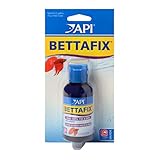
- Contains one (1) API BETTAFIX Antibacterial & Antifungal Betta Fish Infection and Fungus Remedy 1.7-Ounce Bottle
- Heals bacterial infections, repairing damaged fins, ulcers, and open wounds and promotes regrowth of fins
- Treats newly introduced fish to reduce risk of disease outbreak and heal wounds and tissue damage
- Contains healing melaleuca, a variety of tea tree
- Use daily for a week when treating infections and for three days as a preventive when adding new fish
When should you contact a veterinarian?
Arrange veterinary advice if the bump is growing, changing quickly, breaking the skin, or accompanied by poor appetite, rapid breathing, or trouble swimming. These signs do not identify a specific disease; they are reasons to have the fish assessed. Look for a veterinarian experienced with fish, aquatic animals, or exotics.
If the bump is stable and your betta is otherwise behaving normally, keep observing it while checking routine care and water conditions. Do not wait for a dramatic change if you are concerned or the fish’s condition worsens.
Rank #2

- For use in freshwater or marine aquaria.
- Easily absorbed through both skin and gills; ingestion not required.
- Does not adversely affect the filter bed and is easily removed with carbon.
- Safely and effectively treats several fungal, and bacterial fish diseases (dropsy, popeye, fin/tail rot, septicemia).
- When used in a medicated food mix, it is excellent for treating bacterial infections in tanks that contain invertebrates.
What to do while arranging care
- Record the change. Take a clear photo from the same angle over time. Note the bump’s location, size, color, and surface, and whether the skin appears intact or ulcerated. These observations help describe the problem but cannot diagnose it.
- Check aquarium conditions and husbandry. Review the tank’s water readings, feeding, sanitation, and routine care. Merck identifies water quality, nutrition, sanitation, and quarantine as important parts of fish health management: Merck Veterinary Manual: Routine Health Care of Fish. A water test kit can help gather readings; it cannot identify the cause of a bump.
- Share useful details with the veterinarian. Describe how quickly the bump appeared or changed, whether it is a distinct lump or more widespread swelling, and any changes in appetite, breathing, or swimming. These are observations for the veterinarian—not a home diagnostic key.
- Leave the bump alone. Do not squeeze, lance, cut, or medicate it based on appearance. The appropriate response depends on the cause, and guesswork can harm the fish or delay appropriate care.
How a veterinarian may investigate it
A veterinarian may ask about the fish’s history and care, observe it, and perform a hands-on examination before deciding whether tests are needed. Depending on the case, sampling or biopsy may help narrow the possibilities.
What’s actually slowing this PC down?
Pick the symptom - the matching free tool is one click away.
In the University of Illinois case, the veterinary team examined mucus, gill, and lesion samples for parasites and abnormal cells. After parasites were not found, they biopsied the abnormal fin; pathology identified a deep bacterial infection and pigment changes suggesting chronic inflammation. This was the approach in one case, not a standard protocol for every bump. Dr. Keller explained: “Once we knew that parasites were not the cause of Francisco’s lesion, we elected to take a biopsy of the abnormal fin and send it to the University of Illinois Veterinary Diagnostic Laboratory for an answer,” the University of Illinois case report.
Quick Recap
Best Value
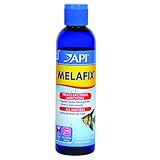
- Contains one (1) API MELAFIX Freshwater Fish Bacterial Infection Remedy 4-Ounce Bottle
- Heals bacterial infections and repairs damaged fins, ulcers and open wounds
- Contains natural, botanical tea tree extract to quickly and rapidly help fish
- Helps treat newly-introduced fish to reduce risk of disease outbreak in freshwater aquariums
- Use daily for a week when treating infections and for 3 days as a preventive when adding new fish
Rank #4
Rank #3
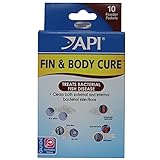
- Contains one (1) API FIN and BODY CURE Freshwater Fish Powder Medication 10-Count Box
- Treats body slime, eye cloud, fin and tail rot, open red sores, gill disease, and hemorrhagic septicemia
- Causes slight discoloration of water that can be fixed by adding activated charcoal
- Use only in freshwater aquariums
- Use daily for four days when symptoms of bacterial diseases appear
Product prices and availability are accurate as of the date/time indicated and are subject to change. Any price and availability information displayed on Amazon at the time of purchase will apply.





Leave a Reply