
Free tools Windows power users keep installed
One-click scans. No signup required.
Plain vegetables can be useful dog treats or meal toppers, especially when you want a lower-calorie alternative to processed snacks. They are optional, though: a dog eating a complete and balanced diet does not generally need vegetables to meet its nutritional requirements.
The safest choices are served plain, prepared in pieces your dog can manage, and introduced one at a time. The American Kennel Club (AKC) advises that treats and other extras should generally account for no more than 10% of a dog’s daily calories; the rest should come from a complete, balanced food.
As an Amazon Associate I earn from qualifying purchases.
11 vegetables dogs can eat
There is no universal “best” vegetable for every dog. The right choice depends on your dog’s size, chewing habits, digestive tolerance, health, and total calorie intake.
| Vegetable | Best preparation | Main caution |
|---|---|---|
| Carrots | Raw, boiled, or steamed; cut into small pieces | Large pieces can be a choking hazard |
| Green beans | Plain raw, steamed, frozen, or no-salt-added canned | Avoid onion, garlic, butter, sauces, and excess sodium |
| Pumpkin | Plain cooked pumpkin or 100% canned pumpkin | Do not use pumpkin pie filling |
| Sweet potatoes | Fully cooked and plain | Raw or large pieces are difficult to digest and may cause choking |
| Peas | Fresh or frozen; introduce gradually | Remove tough pods that could be swallowed whole |
| Broccoli | Small, bite-size pieces, preferably cooked | May cause stomach irritation; tough stalks are risky |
| Cucumber | Plain and sliced | Pickles and seasoned cucumber are not suitable |
| Zucchini | Raw, steamed, or cooked; chopped | Avoid rich sauces and zucchini bread |
| Celery | Raw or cooked; finely chopped | Stringy, large pieces can be difficult to swallow |
| Brussels sprouts | Plain, cooked, or finely prepared | Often causes gas; large servings may cause diarrhea |
| Corn kernels | Plain and cooked, removed from the cob | Never give a whole corn cob |
1. Carrots
Carrots are a convenient low-calorie treat that can be served raw, boiled, or steamed. They provide fiber and beta-carotene. Wash them and cut whole carrots or thick pieces into bite-size portions appropriate for your dog.
#1 Best Overall

- SUPPORTS DOG DIGESTIVE SUPPORT & REGULARITY: Made with natural pumpkin for dogs, this supplement delivers fiber for dogs & helps maintain healthy digestion, supports dog gut health, and provides gentle constipation relief for dogs
- HELPS WITH DOG UPSET STOMACH RELIEF: The perfect blend of dog pumpkin puree & fruit & veggie fibers provides dog tummy relief & aids in dog upset stomach relief; great for occasional digestive issues or sensitive stomachs to help your pup feel their best
- GENTLE FIBER SUPPLEMENT FOR DOGS & CATS: Ideal pumpkin for cats and canned pumpkin for dogs, this versatile formula offers natural diarrhea relief for dogs and constipation relief for dogs, supporting balanced digestion without harsh additives or fillers
- NATURAL SUPPORT FOR DOG & CAT DIGESTIVE HEALTH: Made with pure pumpkin for dogs and is an effective firm up pumpkin for dogs solution; perfect for pet parents seeking a trusted, natural way to promote pumpkin for dogs digestion and cat constipation relief
- TRUSTED QUALITY FOR PET HEALTH: A safe addition to your pet dog supplies; promotes gut health for dogs, supports stool quality, and contributes to overall dog health, making it an essential tool for achieving that “perfect poop” goal every pet owner loves
A crunchy carrot may scrape a little food from the tooth surface, but it does not clean teeth reliably. It is not a replacement for toothbrushing, veterinary dental care, or veterinarian-approved dental products.
2. Green beans
Plain green beans can be served chopped, raw, steamed, frozen, or canned. If you use canned beans, choose a no-salt-added product and check the ingredient list carefully. Green beans prepared with butter, sauces, onions, or garlic should stay off your dog’s plate.
Their fiber and relatively low calorie density make them useful occasional treats. They should not replace a nutritionally complete dog food or become the bulk of a weight-loss diet unless a veterinarian has formulated the plan.
What’s actually slowing this PC down?
Pick the symptom - the matching free tool is one click away.
3. Pumpkin
Use plain cooked pumpkin or canned pumpkin labeled 100% pumpkin. Pumpkin pie filling is different: it may contain sugar, spices, and other ingredients that are inappropriate for dogs.
Pumpkin’s fiber may help regulate stool consistency for some dogs, but it does not cure diarrhea, constipation, parasites, or the underlying cause of gastrointestinal illness. Contact your veterinarian if diarrhea is severe, persistent, bloody, accompanied by vomiting or lethargy, or affecting a puppy or medically vulnerable dog.
4. Sweet potatoes
Sweet potatoes should be fully cooked, cooled, and served plain in moderation. They provide fiber and beta-carotene, which dogs can convert to vitamin A.
Rank #2

- Vet-Developed Dual Fiber Formula: This isn't just pumpkin powder; it's a precise ratio of soluble and insoluble fiber developed with Board-Certified Veterinary Nutritionist to promote firm stools and support digestive regularity. Dose 1 scoop (1 tablespoon) per 25 lbs of body weight; start with half the recommended serving for the first 7 days to let sensitive stomachs adjust comfortably
- Daily Support or On-Demand Relief: Formulated specifically for dogs, this powder works as a daily digestive supplement for ongoing gut health or as a go-to any time your dog experiences digestive upset. The 7-day gradual introduction period sets realistic expectations while supporting digestive regularity in both directions; use it to help maintain firm stools and support healthy bowel movement whether your dog needs everyday maintenance or occasional digestive aid
- Easy to Use for Dogs of All Sizes: Simply scoop, mix into water, kibble, wet food, or raw diet, and serve; no prep, no mess, no refrigeration required. Made with real organic pumpkin and apple, most dogs take to the natural flavor without hesitation. Always ensure fresh water is available, and consult your veterinarian before use with puppies or dogs on medication; this shelf-stable powdered topper is ready at home, on the road, or at boarding
- Only 3 Organic Ingredients, No Fillers: Organic pumpkin delivers soluble fiber for firm stool support; organic pumpkin seed adds insoluble fiber for healthy bowel regularity; organic apple rounds out the formula with natural fiber, vitamin A, and potassium. All 3 ingredients are USDA Organic certified and non-GMO. No artificial additives, no fillers, no fluff
- Powder Format Outlasts Canned Pumpkin: This shelf-stable powder stores without refrigeration and comes in a compact, easy-to-store container. Scoop, mix, serve; it's that simple. Keep it in your pantry for daily digestive maintenance, pack it for travel, use it during dietary transitions, or reach for it any time your dog's gut needs a little extra support. Please Note: Packaging may vary due to design changes. Contents remain unchanged in quality and ingredients.
Do not offer raw sweet potato or large chunks. Avoid butter, sugar, salt, molasses, and seasoning. Mashed sweet potato is only suitable if it contains no added ingredients.
5. Peas
Green, garden, English, snow, and sugar snap peas can be given occasionally. Fresh or frozen peas are generally preferable to canned peas with added sodium. If a pod is tough or large enough to be swallowed whole, remove it and offer the peas separately.
Introduce peas gradually. Any new food can cause gas, vomiting, or diarrhea, even when the ingredient is considered safe for dogs.
6. Broccoli
Broccoli is best treated as a small, occasional extra. Its florets contain isothiocyanates, compounds that can irritate the gastrointestinal tract in some dogs, particularly when a dog eats a large amount.
Cooked, bite-size pieces are easier to manage than tough stalks. Remove thick stalks and never offer a large chunk that your dog might gulp.
Crashes, No Sound, or Screen Glitches?
Random freezes, missing sound and display glitches usually trace back to one bad driver. Find and replace yours safely.Free scan · under a minuteWindows Errors? Fix Them Before They Spread
Repair common Windows errors and clear accumulated junk for a smoother, more stable PC - no reinstall needed.Free scan · no reinstall7. Cucumbers
Plain cucumber is a watery, low-calorie snack that may suit dogs needing lighter treats. Slice it into small pieces rather than handing over a large section.
Rank #3
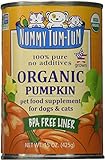
- Nummy Tum Tum Organic Pure Pumpkin 12/15 oz.
Pickles are not an equivalent substitute. They can contain considerable salt as well as garlic, onion, or other seasonings. Seasoned cucumber salads should also be avoided.
8. Zucchini
Plain zucchini can be served raw, steamed, or cooked. It is low in calories and supplies some fiber, vitamins, and minerals. Chop it into manageable pieces instead of giving your dog an entire zucchini.
Do not share zucchini cooked with oil, salt, garlic, onions, or rich sauces. Zucchini bread and other baked goods are especially unsuitable because they may contain substantial fat and sugar or, in some recipes, xylitol.
9. Celery
Dogs can eat plain celery raw or cooked. Chop it into small pieces first: the stalk can be stringy, and large pieces may be difficult to chew or swallow.
Celery from a prepared dish may contain salt, butter, cream sauce, onion, or garlic. Offer only the plain vegetable.
10. Brussels sprouts
Plain Brussels sprouts can be given in small portions when cooked or finely prepared. They contain fiber and nutrients, but they commonly cause gas. Larger amounts may lead to diarrhea or stomach upset.
Rank #4

- Weruva Pumpkin Patch Up (2.80oz pouch, Pack of 12) Pumpkin Puree in a convenient single serve pouch for dogs and cats!
- Weruva's Pumpkin Patch Up is a great source of healthy fiber to support your cat or dog's digestive system.
- Pumpkin is rich in soluble and insoluble fiber - which helps to support gut motility and stool quality.
- Grain-free, Gluten-free, & Vegetarian. No corn, wheat or soy. Free from any artificial colors & preservatives
- Weruva is a family company, wholly owned & operated by pet parent’s David & Stacie Forman
About half to one sprout is a practical starting portion, adjusted for your dog’s size and tolerance. Wait to see how your dog responds before offering more.
The Tool Desk
Outbyte PC Repair FREERepair Windows errors before they cause bigger problemsFix Now →Outbyte Driver Updater FREEFix the driver behind crashes, sound loss and screen glitchesFind Drivers →11. Corn kernels
Plain, cooked corn kernels are generally safe in moderation. Remove butter, salt, chili, garlic, onion, and other toppings before sharing.
Never give a dog a whole corn cob. Dogs may gulp it, and the cob can cause a stomach or intestinal obstruction even though the kernels themselves are edible. If your dog has swallowed a cob, contact a veterinarian promptly rather than waiting for symptoms.
How to prepare vegetables safely
- Wash the produce. Rinse vegetables thoroughly before serving.
- Keep them plain. Leave out salt, butter, oil, sauces, spices, onion, garlic, and other flavorings.
- Choose the right texture. Cook hard, starchy, or fibrous vegetables such as pumpkin and sweet potato. Cooking can also make pieces easier to chew.
- Cut them appropriately. Size the pieces to your dog’s body size, chewing ability, and eating habits. A dog that gulps food needs smaller pieces and closer supervision.
- Remove hazardous parts. Discard hard stems, tough pods, rinds, seeds, cores, pits, and cobs when they could cause choking or obstruction.
- Introduce one vegetable at a time. Start with a small amount and watch for vomiting, diarrhea, itching, or other signs of intolerance.
Vegetables and plant foods to avoid
Some plant foods are unsafe, while others become dangerous because of how they are prepared:
- Onions, garlic, chives, leeks, and shallots: These Allium-family foods can irritate the gastrointestinal tract and damage red blood cells, potentially causing anemia.
- Wild mushrooms: Do not feed mushrooms gathered outdoors. Toxicity varies, and some species cause life-threatening poisoning.
- Green tomatoes and tomato plants: The plant and unripe fruit contain higher levels of tomatine and should be avoided. Ripe tomato flesh is generally considered safer in small amounts, but it is not needed to make a dog’s diet healthy.
- Raw potatoes: Raw potatoes can be problematic. If potato is offered, it should be cooked and plain.
- Corn cobs: The cob is an obstruction hazard, regardless of the safety of the kernels.
Do dogs need vegetables?
Usually, no. Dogs eating a complete and balanced commercial diet or a properly formulated home-prepared diet do not generally need vegetables as a nutritional requirement. Vegetables can add variety, moisture, fiber, or a lower-calorie treat option, but they are extras.
Replacing a complete diet with green beans, pumpkin, or other vegetables can create nutrient deficiencies. Likewise, “vegetable-only” weight-loss plans are not safe substitutes for an individualized calorie target and a nutritionally complete food.
Best Value

- Vet-recommended fiber powder: Our FIRM UP powdered pumpkin for dogs and cats is recommended by veterinarians for quickly and effectively supporting stool consistency and constipation by nourishing the gut flora; also great for assisting with diet changes
- From the ground to our bag: This fiber supplement powder is made with only 2 simple ingredients – drum-dried pumpkin and apple pectin; our pumpkin powder for dogs and cats made with all-natural ingredients is perfect for sensitive and picky eaters
- No compromise on quality: We specialize in cat and dog vitamins and supplements made with limited ingredients to promote pet health and longevity; ingredients sourced & produced in the US with no fillers, preservatives or confusing ingredients
- Great taste makes for easy feeding: We make it simple to use what you need and reseal the pouch for next time; use our dog and cat supplements as cat or dog food toppers, mix with water for a canned pumpkin consistency, or you can even mix into treats
- Passion over profit: With over 20 years in the pet industry, we’ve seen it all; that’s why we keep our old school, down to earth, grassroots company operated by a devoted team passionate about creating products that celebrate the human-animal bond
Vegetables also count toward daily extras. The AKC’s treat guidance is to keep treats and toppers to about 10% or less of daily calories unless your veterinarian gives different instructions. A small dog can exceed that amount with what looks like only a few bites.
When to ask your veterinarian first
Speak with your veterinarian before adding vegetables if your dog has diabetes, kidney disease, heart disease, gastrointestinal disease, food allergies, obesity, or a prescribed therapeutic diet. Some medical diets have tightly controlled amounts of calories, fiber, protein, potassium, sodium, or other nutrients.
Seek veterinary advice if a new vegetable causes repeated vomiting, ongoing diarrhea, marked abdominal discomfort, weakness, difficulty breathing, facial swelling, or other concerning signs. A dog that may have eaten an onion-family food, wild mushroom, or corn cob should receive prompt professional guidance.
Recommended Free Tools
FAQ
What is the healthiest vegetable for a dog?
There is no single healthiest choice for every dog. Plain carrots, green beans, cucumber, zucchini, and small amounts of pumpkin are practical options for many healthy dogs, but individual calorie needs, tolerance, and medical conditions matter more than a ranking.
Can dogs eat vegetables every day?
Some dogs can have a small plain vegetable portion daily, provided it fits within their total calorie allowance and does not displace complete, balanced food. The AKC recommends keeping treats and toppers to about 10% or less of daily calories unless your veterinarian recommends otherwise.
Is pumpkin good for a dog with diarrhea?
Plain pumpkin may help regulate stool consistency in some dogs, but it does not treat every cause of diarrhea. Persistent, severe, bloody, or vomiting-associated diarrhea requires veterinary advice. Use 100% pumpkin, not pumpkin pie filling.
Which vegetables are toxic to dogs?
Avoid onions, garlic, chives, leeks, and shallots, as well as wild mushrooms and green tomatoes or tomato plants. Never give a whole corn cob because it can cause an obstruction. Prepared vegetables containing these ingredients should also be avoided.
Quick wins for a faster PC:
Fix the driver behind crashes, sound loss and screen glitchesFind Drivers →Repair Windows errors before they cause bigger problemsFix Now →The Bottom Line
Carrots, green beans, pumpkin, cooked sweet potato, peas, small amounts of broccoli, cucumber, zucchini, celery, Brussels sprouts, and plain corn kernels can all be suitable occasional foods for many dogs. Serve them washed, plain, and cut into safe pieces; cook hard vegetables; and never offer a corn cob. Vegetables are optional extras, not a replacement for a complete and balanced diet.
Quick Recap
Product prices and availability are accurate as of the date/time indicated and are subject to change. Any price and availability information displayed on Amazon at the time of purchase will apply.





Leave a Reply