
Yes—many freshwater turtles eat fish, but fish is not right for every species or every pet turtle. A turtle’s diet depends on its species and life stage, so identify the turtle before choosing foods or feeding fish regularly.
Which freshwater turtles eat fish?
Fish is part of the documented diet of several freshwater turtle species, usually alongside other foods. These examples show why “freshwater turtle” is too broad to determine a pet’s menu.
As an Amazon Associate I earn from qualifying purchases.
- Spotted turtles are omnivores. The Smithsonian National Zoo lists small fish among their foods, alongside invertebrates, plants, and other prey. Smithsonian National Zoo: Spotted Turtle.
- Fly River turtles eat small prey that includes fish, according to the Smithsonian National Zoo. Smithsonian National Zoo: Fly River Turtle.
- Western pond turtles eat fish as well as other animal foods and plants, according to the U.S. Fish and Wildlife Service. U.S. Fish and Wildlife Service: Western Pond Turtle.
- Rio Grande cooters also eat fish alongside other foods, according to the U.S. Fish and Wildlife Service. U.S. Fish and Wildlife Service: Rio Grande Cooter.
- Alligator snapping turtles are primarily carnivorous and eat fish and other aquatic animals, according to the Smithsonian National Zoo. Smithsonian National Zoo: Alligator Snapping Turtle.
These species profiles describe natural diets; they are not complete feeding plans for every turtle in a species, especially pets.
Recommended Free Tools
Can a pet turtle eat fish?
Possibly, if fish fits the diet of the identified species and life stage. The California Veterinary Emergency Team guide from the University of California, Davis, lists small fish or cut pieces of fish among meat sources for omnivorous turtles and advises offering variety. It does not give one fish portion or feeding schedule for all species. UC Davis California Veterinary Emergency Team, Avian, Small Mammal, and Exotics Animal Care and Feeding Guide.
#1 Best Overall
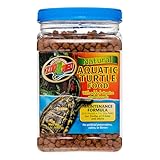
- No artificial colors or preservatives
- For Turtles over 6" 5/16" pellets
- 25% protein
Species requirements can differ substantially. Indiana Department of Natural Resources notes, “Each species has different feeding requirements, with some being strictly carnivores or herbivores.” It gives northern map turtles as an example of a species with a restricted diet that must include snails, aquatic insects, and crayfish. Indiana DNR: Fish and Wildlife: Turtles as Pets.
For a pet, confirm its species and age, then follow a species-specific care plan from a qualified reptile veterinarian or another reliable species-care source. Do not assume that a turtle will thrive on fish just because it will eat fish.
Rank #2

- Freeze-Dried Insects: Perfect Blend of Freeze-Dried Shrimp, Freeze-Dried Meal worms, and Vitamin Fortified Pellets for both juvenile and adult aquatic turtles
- Balanced Meal: Complete nutritional variety in one jar.
- Floating Pellets: Vitamin-enriched pellets, with a unique texture that makes feeding easier for you and your turtles.
- Clean Environment: Does not cloud the water with proper feeding.
- Aids Shell Development: Added calcium supports shell development.
What fish should you avoid?
A veterinary review of European pond turtle care identifies goldfish (Carassius auratus) and fathead minnows (Pimephales promelas) as high-thiaminase fish to avoid in turtle diets. Thiaminase can contribute to thiamine deficiency in fish-eating freshwater turtles. This is a specific veterinary warning, not evidence that all fish are unsuitable or that the same advice applies identically to every species. Veterinary review: European pond turtle care.
The Tool Desk
Outbyte PC Repair FREERepair Windows errors before they cause bigger problemsFix Now →Outbyte Driver Updater FREEFix the driver behind crashes, sound loss and screen glitchesFind Drivers →Because feeder fish are not automatically a suitable food, check the type of fish as well as whether fish belongs in the turtle’s diet at all.
Rank #3

- Natural Aquatic Turtle Food (micro pellet) - Hatchling Formula, 43% protein
- Scientifically formulated to meet the dietary requirements of aquatic turtles at each of their life stages
- Our pellets float making it easier for aquatic turtles, who prefer eating at the water surface, to locate their food
- A specially formulated floating pellet food for hatchling and juvenile aquatic turtles
- Micro Size Pellet, 1/8" (3,2 mm) size pellet for turtles up to 2" (5 cm)
How often and how much fish should you feed?
There is no universal fish percentage, portion, or schedule established for freshwater turtles. The UC Davis-affiliated guide supports variety for omnivorous turtles but does not set precise fish quantities for every species. Follow the guidance for your turtle’s species and life stage rather than using a general rule.
Species-appropriate aquatic turtle pellets may be one component of a balanced pet diet where recommended; they should not replace species-specific feeding advice. Smithsonian profiles mention pellets for some turtles, but that does not make one pellet or diet suitable for all freshwater species.
Quick Recap
Best Value
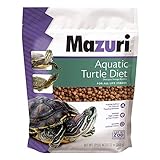
- Nutritionally complete - No vitamin or mineral supplements required
- Complete life cycle diet – Can be fed to baby turtles through adult turtles
- Floating round pellet - Creates a natural feeding environment
- High level of fish and animal protein - Meets the needs of carnivorous species
- Supports overall health - Contains natural vitamin E
Rank #4

- Low-protein floating pellet food for turtles
- Great for most aquatic turtles like red ear sliders, painted, spotted, Asian, aquatic box type, and sidenecks
- Lower protein levels for proper shell development and healthy internal organs
- Made in the USA
Product prices and availability are accurate as of the date/time indicated and are subject to change. Any price and availability information displayed on Amazon at the time of purchase will apply.





Leave a Reply