
Quick wins for a faster PC:
Repair Windows errors before they cause bigger problemsFix Now →Fix the driver behind crashes, sound loss and screen glitchesFind Drivers →Fish farming works by raising fish under managed conditions from eggs, fry, or fingerlings to a planned harvest. The farmer chooses a species and system, stocks healthy young fish, supplies species-appropriate feed and oxygen, monitors water quality and growth, prevents disease and escapes, and harvests when the fish meet market requirements.
The system may be a pond, floating cage, raceway, land-based tank, or recirculating aquaculture system. The details differ, but the central challenge is the same: keep fish healthy while controlling water, waste, costs, and environmental risks.
As an Amazon Associate I earn from qualifying purchases.
What fish farming actually involves
Fish farming is the managed production of fish from young stock to harvest. A farmer or aquaculture business supplies suitable water, food, oxygen, protection from disease and predators, and routine monitoring until the fish reach a target size and market specification.
Free tools Windows power users keep installed
One-click scans. No signup required.
The process can take place in earthen ponds, floating cages, raceways, indoor tanks, or recirculating aquaculture systems. The fish may live in freshwater, saltwater, brackish water, or inland saline water, depending on the species and facility. In every system, successful production depends on balancing biology, equipment, labor, economics, animal health, and environmental rules.
#1 Best Overall
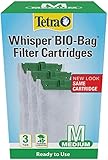
- REPLACEMENT CARBON FILTER: Keeps aquarium water crystal clear – removes odors and discoloration.
- CATCHES DEBRIS: Dense, dual-sided mesh filters debris and fish waste.
- FITS TETRA WHISPER WATER FILTERS: Color coded to make it simple to remember which replacement cartridge size to purchase.
- CONVENIENT: Replacement filter cartridges are fully assembled and ready to use.
- USAGE: Change monthly or sooner if needed.
Fish farming usually refers to raising finfish such as catfish, trout, salmon, tilapia, or hybrid striped bass. Aquaculture is the broader term: it also includes farmed shellfish, shrimp, aquatic plants, ornamental fish, baitfish, and sport-fish fingerlings.
Unlike wild-capture fishing, fish farming involves deliberate intervention in the animal’s life cycle. The producer may hatch or purchase the young fish, stock them in a prepared facility, feed them, manage their environment, prevent disease, track growth, and harvest them at a chosen time.
The fish-farming cycle, step by step
1. Choose the species, market, and production system
The first decision is not simply which fish grows fastest. A farm must choose a species that matches the local climate, water chemistry, infrastructure, regulations, seed supply, feed availability, disease risks, and intended market.
What’s actually slowing this PC down?
Pick the symptom - the matching free tool is one click away.
For example, a fish that needs cool, highly oxygenated water may be a poor choice for a warm pond with limited water flow. A species that grows well may still be commercially unsuitable if reliable fingerlings are unavailable, the feed is expensive, or local buyers want a different size or product.
Farmers generally evaluate:
- Temperature and salinity tolerance
- Growth rate and expected harvest size
- Availability and health of fingerlings or other seedstock
- Feed requirements and feed cost
- Susceptibility to disease
- Stocking density the system can safely support
- Local permits and environmental restrictions
- Processing, transportation, and market demand
The production system is then matched to the species and site.
| System | How it works | Main advantages | Main challenges |
|---|---|---|---|
| Earthen ponds | Fish grow in purpose-built ponds containing standing water. | Can have relatively modest infrastructure costs and may benefit from natural biological productivity. | Requires suitable land, soil, water, drainage, and careful oxygen and waste management. |
| Cages or net pens | Fish are enclosed in floating or submerged nets in a lake, reservoir, coastal area, or other suitable water body. | Water flows through the enclosure, reducing the need to build a complete land-based tank system. | Stock remains exposed to the surrounding water, weather, disease, escape risks, siting restrictions, and conflicts with other water users. |
| Raceways and flow-through tanks | Fish are raised in long tanks supplied continuously or periodically with flowing water. | Flow can provide oxygen and carry wastes away. | Requires a dependable, suitable water source and responsible discharge management. |
| Land-based tanks | Fish are held in indoor or outdoor tanks where operators control feeding, stocking, water treatment, and harvest. | More control and easier access than many open-water systems. | Pumps, aeration, filtration, maintenance, and backup power add cost and failure points. |
| Recirculating aquaculture systems, or RAS | Water from fish tanks is treated and returned to the tanks. | Can reduce water demand, operate close to markets, and provide tight environmental control. | Capital costs, energy use, technical requirements, monitoring demands, and the consequences of equipment failure are high. |
Ponds may be extensive, semi-intensive, or intensive. In a more intensive operation, the farm stocks more fish and supplies more feed, aeration, and management. Higher output per unit of land does not mean easier production: it generally means that a water-quality or equipment problem can affect more fish more quickly.
2. Produce or buy healthy seedstock
Seedstock is the young fish used to begin a production cycle. Depending on the business, the cycle may include broodstock, hatchery production, nursing, quarantine, and grow-out. Other farms buy fingerlings from a specialist hatchery and focus only on growing them to market size.
A hatchery manages spawning, egg incubation, larval care, and the production of juvenile fish. The young fish may be moved through several stages before they are large enough for the grow-out facility. Uniform, healthy fingerlings make growth and harvest more predictable.
Health screening and biosecurity begin before the fish arrive. New stock can carry pathogens even when it appears healthy, so farms may quarantine incoming animals, keep health and movement records, disinfect equipment, and control contact among facilities or age groups. Disease can also enter through water, people, vehicles, nets, footwear, wild animals, and shared equipment.
3. Prepare the facility and stock the fish
Before fish enter a pond, cage, tank, raceway, or RAS, the operator checks whether the facility can support the planned biomass. Preparation may include:
Rank #2

- Strong Compatibility: The specific size of our aquarium filter cartridge is 2.1 in L x 3.7 in W. It is very suitable for BF5 BETTAFLO FILTER & DESKTOP AQUQRIUMS. With this aquarium filter cartridge, you can keep your water healthy every moment. It contains 6 pack aquarium filter cottons, which you can change every 2-4 weeks.
- Excellent Filtration Performance: The filter cotton is made of cotton and carbon and has 3-layer filtering effect, which can filter and absorb 99% of the sundries to fish, so as to keep the water source clean and the healthy growth of fish.
- Long-term Replacement of the Aquarium Filter: According to the test, the filter cotton has already withstood too much sundries for no more than four weeks, so you need to replace it with a new one to keep the water source healthy and clean at all times. Suggest to change filter cartridge every 2-4 weeks.
- Quick Installation: Just remove used cartridge and rinse new cartridge under cool water to remove dust. After rinsing, insert caftridge into flter chamber to protect the health and safety of your fish all the time.
- High-quality After-sales Service: HiTauing produces high-quality filter cartridges for fish tank filter, and is in a leading position in the quality and craftsmanship of all our products. We maintain a thorough quality control process to ensure compatibility with ELEMENT EF-S. If you have any questions, please feel free to contact us!
- Testing the water supply and confirming that the chemistry suits the species
- Inspecting screens, nets, drains, pumps, pipes, filters, and aerators
- Checking predator protection and containment
- Confirming access for feeding, sampling, grading, and harvest
- Testing alarms, emergency oxygen, and backup power
- Cleaning or disinfecting equipment as appropriate
- Verifying that discharge and waste-handling procedures are ready
Stocking density is calculated around the system’s ability to provide oxygen, remove wastes, maintain acceptable water quality, and handle the fish during the entire production cycle. A density that appears safe for small fingerlings may become unsafe as the fish grow and their total biomass increases.
Outdated Drivers Are Slowing You Down
One free scan finds every outdated or missing driver and matches the right update for your exact hardware.Free scan · exact hardware matchWindows Errors? Fix Them Before They Spread
Repair common Windows errors and clear accumulated junk for a smoother, more stable PC - no reinstall needed.Free scan · no reinstallFor ponds, site selection is particularly important. Soil type, topography, drainage, water availability, climate, and the cost of building or filling the pond all affect feasibility. Extension guidance from Oklahoma State University notes that many potential sites are unsuitable because they do not have adequate water or appropriate soils.
4. Feed for growth without fouling the water
Feed provides the nutrients fish need to grow and is often one of the largest operating expenses in intensive finfish production. Commercial diets are formulated for the species and life stage. Fingerlings may receive smaller pellets with a different nutrient profile from the diet used by market-size fish.
Feeding is a management decision, not simply an automatic delivery task. The amount and frequency depend on species, fish size, water temperature, biomass, weather, health, dissolved oxygen, and observed appetite. The goal is to provide enough food for good growth while avoiding large amounts of uneaten feed.
Uneaten feed is expensive, consumes oxygen as it decomposes, and adds nutrients and suspended waste to the water. Feed records help the farmer calculate feed conversion and identify changes in growth or appetite that could signal disease, poor water quality, or an incorrect ration.
Do these 3 things before closing this tab:
1Repair Windows errors before they cause bigger problems2Fix the driver behind crashes, sound loss and screen glitches3Clear out junk files and repair common Windows errorsMechanical feeders can distribute floating feed more consistently across a pond or cage. For a small pond, tank, or learning system, an automatic fish feeder may help with routine delivery, but it cannot decide whether feeding is safe on a particular day. The operator still needs to observe the fish and check conditions such as temperature and dissolved oxygen.
5. Manage oxygen and water quality
Water quality is the farm’s operating environment. Fish continuously take in oxygen and release carbon dioxide and other wastes, while bacteria, algae, and sediments also alter the water. Important variables can include:
- Dissolved oxygen
- Temperature
- pH
- Ammonia and nitrite
- Carbon dioxide
- Alkalinity and hardness
- Suspended solids
- Salinity, where relevant
There is no single safe water-quality target for every fish farm. Acceptable values vary by species, life stage, stocking density, system, and local conditions. Operators use species-specific guidance and establish normal readings for their own facility so that dangerous changes can be spotted early.
Dissolved oxygen is often the most urgent variable. Fish, beneficial microorganisms, algae, and organic sediments all consume oxygen. In productive ponds, oxygen can fall sharply overnight because photosynthesis stops in darkness while respiration continues. Warm water also holds less oxygen than cool water, and a sudden weather change, algae die-off, heavy feeding, or equipment failure can worsen the problem.
Ponds may use paddlewheel or other mechanical aerators. Tanks and RAS facilities may use diffusers, oxygen cones, pumps, or supplemental oxygen systems. Water exchange can also help in suitable flow-through systems. A hobby operator comparing equipment should treat a pond aerator for fish as a system-specific tool rather than a universal solution: correct sizing depends on pond area and depth, fish biomass, water temperature, weather, and the farm’s oxygen strategy.
Rank #3

- Ideal Replacement Cartridges with Strong Compatibility - It is perfect compatible with Silenstream Power Filters PF10. The specific size of our aquarium filter cartridges is 5.5 in L x 3.1 in W. With this aquarium filter cartridge, you can keep your water healthy and clean every moment.
- Excellent Filtration Performance - The filter cartridges is made of high density cotton + 50% more nutshell activated carbon + zeolite, which has 4-layer filtering effect to filter and absorb 99% of the impurities, especially absorb ammonia and nitrogen in the water. So as to keep the water source clean and the healthy growth of fish.
- Long-term Replacement of the Aquarium Filter - For the health of your fish and other creature, suggest to change filter cartridge every 2-4 weeks to keep the water source healthy and clean at all times. The filter cotton has fully absorbed and filtered the impurities in the aquarium.
- Easy to Install: Please remove used cartridge and rinse new cartridges with water to remove the outside dust, then fully seat it into the filter chamber. Replace it every 2 to 4 weeks to maintain a healthy water environment. Protect the health and safety of your fish all the time.
- High-quality After-sales Service: Zuqqony produces high-quality filter cartridges for fish tank, and is in a leading position in the quality and craftsmanship of all our products. We maintain a thorough quality control process to ensure compatibility with Silenstream Power Filters PF10. If you have any questions, please feel free to contact us!
In tanks and RAS facilities, mechanical filters remove suspended solids, while biological filters support nitrification. During nitrification, beneficial bacteria help convert toxic ammonia into less toxic nitrogen compounds, although the process does not make poor feeding or overloaded systems safe. Solids still need to be removed, and the treated water must be monitored.
A small operator may use an aquaculture water quality test kit to learn about pH, ammonia, nitrite, and related conditions in a pond, tank, or aquaponics unit. Commercial farms commonly need calibrated meters, laboratory confirmation, automated alarms, and species-specific testing protocols. A test result is useful only when it is taken correctly, recorded over time, and interpreted alongside temperature, fish behavior, feeding, and system design.
Water-quality emergencies can develop quickly. A pump, blower, oxygen supply, or biofilter failure in a high-density tank may kill fish in a short time. For that reason, professional systems plan for alarms, routine measurements, preventive maintenance, spare parts, emergency aeration or oxygen, and backup electricity.
6. Prevent disease and protect fish health
Biosecurity means preventing disease from entering the farm, limiting its spread if it appears, and reducing the risk of pathogens leaving the facility. A practical program may include:
- Buying stock from reputable, health-conscious sources
- Quarantining new fish before mixing them with established groups
- Disinfecting nets, containers, footwear, and other shared equipment
- Restricting and recording visitors and animal movements
- Separating age groups or production units
- Monitoring mortality, feeding behavior, swimming, lesions, and unusual activity
- Keeping records of treatments, water quality, stocking, and transfers
- Maintaining a written response plan for suspected disease
Prevention is usually safer and less costly than trying to rescue a population after an outbreak. The appropriate response depends on the species, pathogen, country or state, and legal status of any treatment. Veterinary drugs and antimicrobials should be used only according to applicable approvals and professional guidance; casual or unnecessary use can harm fish, the environment, and future treatment effectiveness.
7. Grow, sample, and grade the stock
Grow-out is the longest part of many fish-farming operations. Employees sample the fish and track survival, average size, total biomass, feed use, water quality, disease signs, and equipment performance.
Sampling helps answer practical questions: Are the fish growing as expected? Is the ration appropriate? Has biomass become too high for the available oxygen? Are some fish much larger than others? Does the harvest date need to change?
The Tool Desk
Outbyte PC Repair FREERepair Windows errors before they cause bigger problemsFix Now →Outbyte Driver Updater FREEScan for outdated or missing drivers - takes under a minuteDriver Scan →Fish may be graded by size and moved into separate units. Grading can improve uniformity and reduce competition. It is especially important for species in which larger fish may dominate smaller ones or where cannibalism is a concern. Every handling event must be planned carefully because crowding, temperature changes, low oxygen, and rough equipment can stress or injure fish.
8. Harvest, handle, and sell
Fish are harvested when they meet the buyer’s target for size, condition, quality, and timing. The method depends on the production system:
- Pond operators may seine the fish, concentrate them, or drain part or all of the pond.
- Tank and raceway operators may crowd and pump fish into containers or processing equipment.
- Cage operators may lift or crowd fish within the enclosure and transfer them to boats, containers, or processing systems.
Post-harvest handling is part of production, not an afterthought. Fish must be removed from the water, chilled or otherwise preserved, transported, and potentially processed before reaching a buyer. Poor handling can reduce quality even when growth and water management were excellent.
Rank #4

- Strong Compatibility: The specific size of our aquarium filter cartridge is 6 in L x 4.5 in W. It is very suitable for PF20, PF30, PF40 and PF75 Power Filters. With this aquarium filter cartridge, you can keep your fish tank water healthy every moment. It contains 15 pack aquarium filter cottons, which you can change every 2-4 weeks.
- Excellent Filtration Performance: The filter cotton is made of cotton and carbon and has 3-layer filtering effect, which can filter and absorb 99% of the sundries, so as to keep the water source clean and the healthy growth of fish.
- Long-term Replacement of the Aquarium Filter: According to the test, the filter cotton has already withstood too much sundries for no more than four weeks, so you need to replace it with a new one to keep the water source healthy and clean at all times. Suggest to change filter cartridge every 2-4 weeks.
- Quick Installation: Just remove used cartridge and rinse new cartridge under cool water to remove dust. After rinsing, insert caftridge into flter chamber to protect the health and safety of your fish all the time.
- High-quality After-sales Service: HiTauing produces high-quality filter cartridges for fish tank filter, and is in a leading position in the quality and craftsmanship of all our products. We maintain a thorough quality control process to ensure compatibility with PF20, PF30, PF40 and PF75 Power Filters. If you have any questions, please feel free to contact us!
Harvest timing may be affected by market demand, water temperature, disease risk, transportation, processing capacity, and fish quality. In pond-raised catfish, for example, undesirable off-flavors can delay acceptance by processors. This illustrates how water quality can influence both animal health and the commercial value of the harvest.
What determines whether a fish farm makes money?
Fish farming is a biological business with substantial operating and infrastructure costs. Profit depends on the relationship between production costs and the price received for fish that survive, reach the right size, and meet market specifications.
Important variables include:
- Fingerling or seedstock cost
- Feed price and feed conversion
- Growth rate and time to market
- Survival and disease losses
- Stocking density and usable facility capacity
- Labor, land, water, electricity, fuel, and maintenance
- Pumps, aerators, filters, oxygen, and backup systems
- Permits, insurance, harvesting, processing, and transportation
- Wholesale or direct-sale price and buyer requirements
Ponds may have lower infrastructure costs and use natural productivity, but they require appropriate land, soil, water, and weather conditions. Cages can reduce construction costs but expose fish and the business to the surrounding water body. RAS facilities offer tighter control and can be located near customers, but pumps, filtration, heating or cooling, energy, monitoring, and backup systems require more capital and expertise.
Feed illustrates the trade-off particularly well. Feeding more may increase growth, but if the fish cannot consume it or the system cannot process the resulting waste, the same decision can increase costs and damage water quality. Good farms therefore measure feed use against growth, survival, water conditions, and market outcomes rather than chasing a single maximum feeding rate.
Independent reader supportYour contribution helps us test, update, and keep practical guides available for everyone.Is fish farming environmentally sustainable?
There is no universal answer. Aquaculture is not automatically low-impact, and it is not automatically damaging. Effects depend on the species, location, stocking density, feed, containment, waste controls, water exchange, energy source, and regulatory compliance.
Recommended Free Tools
Potential environmental concerns include:
- Nutrients and suspended solids released in wastewater
- Organic waste and oxygen depletion
- Ammonia, chemicals, or improperly used drugs
- Escaped fish competing or interbreeding with wild populations
- Transmission of disease or parasites
- Damage to habitat or poor siting
- Conflicts with navigation, endangered species, recreation, drinking water, or other water users
Good management reduces these risks through appropriate siting, secure nets and screens, controlled feeding, solids removal, water-quality monitoring, responsible health practices, discharge controls, and an escape-response plan. Open-water systems require especially careful attention to containment and interaction with the surrounding ecosystem. Land-based systems avoid some open-water risks but still produce waste and consume energy.
In the United States, some concentrated aquatic animal production facilities require permits under the Clean Water Act’s National Pollutant Discharge Elimination System. EPA requirements can apply to facilities producing 100,000 pounds or more of aquatic animals, along with other conditions related to facility type, discharge, location, and state rules. A producer must verify federal, state, and local requirements for the specific site rather than assuming that one national threshold answers every permitting question.
How large is the aquaculture industry?
The U.S. Department of Agriculture’s 2023 Census of Aquaculture reported 3,453 U.S. aquaculture farms and approximately $1.908 billion in total aquaculture product sales. Food fish represented about 43% of sales and mollusks about 30%. Those figures describe the U.S. industry only; global aquaculture has a different mix of species, systems, markets, and regulations.
NOAA states that aquaculture supplies more than half of the seafood produced for human consumption globally. Marine aquaculture can provide seafood, jobs, habitat-restoration opportunities, and coastal economic activity, but those benefits depend on responsible siting, containment, feeding, health management, and oversight.
Fish farming versus aquaponics
Aquaponics combines recirculating aquaculture with hydroponics. Fish produce waste, bacteria transform nitrogen compounds, and plants absorb some of the resulting nutrients. Water then circulates through the system.
Best Value

- UNASSEMBLED REPLACEMENT CARBON FILTER Keeps aquarium water crystal clear – removes odors and discoloration
- CATCHES DEBRIS Dense dual-sided mesh filters debris and fish waste
- FITS TETRA WHISPER WATER FILTERS Color coded to make it simple to remember which replacement cartridge size to purchase
- CONVENIENT Easy to assemble and easy to replace
- USAGE Change monthly or sooner if needed
Aquaponics demonstrates several important aquaculture principles, especially recirculation, filtration, microbial activity, and nutrient management. However, it is not synonymous with commercial fish farming. Plants do not automatically remove every contaminant, and a small aquaponics kit is not automatically capable of producing food fish at commercial scale. Commercial systems need appropriate tank volume, filtration, oxygenation, temperature control, stocking, feed, disease prevention, harvesting, and backup plans.
Can fish farming be done at home?
Small-scale fish keeping or aquaponics is possible in some homes, yards, and hobby ponds, but it should be approached as a managed animal-care system rather than as a larger aquarium. Before buying fish, a hobbyist needs to identify a suitable species, confirm local rules, calculate the system’s water volume and likely biomass, arrange species-appropriate feed, and plan for aeration, testing, waste removal, temperature changes, predators, disease, and power outages.
A home setup also needs a realistic endpoint. Producing a few fish for learning is different from raising food fish for sale. Commercial production requires reliable seedstock, documented health controls, food-safety practices, permits, harvesting and chilling arrangements, and a viable buyer. An aquarium filter or backyard pond cannot simply be multiplied into a commercial RAS or pond farm without redesigning the biological and mechanical systems.
Recommended Free Tools
Further reading for prospective small-scale farmers
Readers who are considering more than a hobby setup should look for an aquaculture handbook or extension publication that covers the chosen species and production system. A broad guide can explain facility design, hatchery and grow-out biology, feeding, water chemistry, health, economics, and regulations, but it should supplement—not replace—local extension advice, engineering review, veterinary guidance, and permit research.
Frequently Asked Questions
How does fish farming work in simple terms?
Fish farming is the managed raising of fish for a target market. Farmers obtain healthy eggs, fry, or fingerlings, stock them in a suitable pond, cage, tank, raceway, or recirculating system, provide feed and oxygen, control water quality and disease, monitor growth, and harvest the fish at the desired size. It differs from wild fishing because the producer intervenes throughout the fish’s life cycle.
What is the difference between fish farming and aquaculture?
Not exactly. Fish farming usually means raising finfish, while aquaculture includes finfish plus shellfish, shrimp, aquatic plants, ornamental fish, baitfish, and other aquatic organisms. Aquaponics is a related system that combines fish production with hydroponic plant growing.
Can you start a fish farm at home?
Some people can raise fish on a small scale in a suitable pond, tank, or aquaponics system, but a home aquarium is not automatically a commercial fish farm. A home operator still needs appropriate stocking, species-specific feed, aeration, water testing, waste management, disease prevention, backup plans, and knowledge of local regulations.
The Tool Desk
Outbyte PC Repair FREEClear out junk files and repair common Windows errorsFree Scan →Outbyte Driver Updater FREEFix the driver behind crashes, sound loss and screen glitchesFind Drivers →Is farmed fish environmentally friendly?
Aquaculture is not automatically sustainable or unsustainable. Its effects depend on the species, location, system design, stocking density, feed management, waste treatment, containment, energy use, and regulatory compliance. Responsible farms reduce risks such as nutrient discharge, escapes, disease transmission, and habitat damage.
What do farmed fish eat?
Fish may be raised on formulated commercial diets designed for their species and life stage. Feed quantity and frequency depend on fish size, biomass, temperature, health, appetite, dissolved oxygen, and water quality. Uneaten feed wastes money and can worsen water quality.
The Bottom Line
Bottom line: Fish farming is a complete production system, not just putting fish in a pond and feeding them. The farm must match the species to the site, obtain healthy seed, maintain oxygen and water quality, control feed and disease, monitor growth, contain the stock, meet environmental rules, and harvest into a real market. Ponds, cages, tanks, and RAS each solve different problems and create different risks.
Quick Recap
Product prices and availability are accurate as of the date/time indicated and are subject to change. Any price and availability information displayed on Amazon at the time of purchase will apply.





Leave a Reply