
Recommended Free Tools
The simplest way to fish a Dabbler is to cast it across or ahead of a wind-driven wave, let it sink to a controlled depth, and retrieve it with short pulls and pauses while maintaining contact. Start with one size 10 or 12 Claret Dabbler on a floating line. If trout are feeding deeper, change the line density or countdown before immediately adding weight or changing flies.
The simplest way to fish a Dabbler is to cast it across or ahead of a wind-driven wave, let it sink to a controlled depth, and retrieve it with short pulls and pauses while maintaining contact. Start with one size 10 or 12 Claret Dabbler on a floating line. If trout are feeding deeper, change the line density or countdown before immediately adding weight or changing flies.
As an Amazon Associate I earn from qualifying purchases.
A Dabbler is not one standardized fly. It is a family of Irish-style wet flies, best known for the Claret Dabbler and its use for trout on Irish loughs and other stillwaters. Its lightly dressed tail, ribbed dubbed body, hackle, and bronze-mallard-style overwing create movement and visibility in a wave. Depending on its colour and dressing, a Dabbler may suggest a mayfly, shrimp, fry, daphnia, or simply a mobile food item.
The Tool Desk
Outbyte PC Repair FREEClear out junk files and repair common Windows errorsFree Scan →Outbyte Driver Updater FREEFix the driver behind crashes, sound loss and screen glitchesFind Drivers →What is a Dabbler fly?
The Claret Dabbler is the classic starting point. It is commonly tied around sizes 10–12, although the best size depends on the local hatch, trout size, wind, and the pattern available. The fly’s hackle and wing make it lively in broken water, while the dubbed body and colour provide a broad impression rather than a precise imitation.
#1 Best Overall
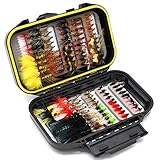
- 【Effective Flies】-30/50/60/100/168 pieces flies cover greatest flies of all time.Such as Wolly Bugger,Popper,Bumble,Peackcock Nymph,Whether you are a starter or just want to up your game,the chance of catching fish is big.
- 【Target Fish】For Catching Trout,Grayling and Salmon,Steelhead,Pike,Carp.
- 【Waterproof Fly Box】The box measures 13.6*8.6*3.6cm(5.2 x 3.5 x 1.4 inch), Oranising your flies in top condition,easy to carry variety of flies for days of fishing.
- 【Hook Size】All Hand tied flies range from #6 to #18. The size of hooks and flies gets bigger as the hook gets smaller.
- 【Greatest Gift】Great fly fishing gift sets for fishermen.
Dabblers are especially associated with Irish loughs including Corrib, Mask, Melvin, Arrow, Sheelin, and Conn. The pattern family is also used on reservoirs and stillwater trout fisheries elsewhere. That association does not make a Dabbler universally effective: local trout, food sources, water structure, regulations, and presentation determine whether it produces.
It is best understood as a wet fly for moving subsurface presentation. It is not a standard dry fly, and it should not automatically be treated as a dedicated nymph pattern.
Where Dabblers work best
Dabblers are most naturally suited to lakes, reservoirs, and large loughs with wind-produced surface movement. Traditional Irish lough fishing is often done from a drifting boat, with two or three flies cast ahead of or across the boat’s drift. The top or “bob” fly fishes closest to the surface, while lower flies search progressively deeper water.
What’s actually slowing this PC down?
Pick the symptom - the matching free tool is one click away.
From the bank, concentrate on places where wind and structure bring food together:
- Windward banks and wave-washed shorelines
- Windward points and shallow bays
- Drop-offs beside shallow water
- Weed edges and shoals
- Areas where trout are cruising, turning, or rising
These are starting points rather than rules. Wind direction, lake structure, stocking patterns, water temperature, and local knowledge may make a sheltered bank or a particular depth more productive on a given day.
A Dabbler can also be adapted to moving water by casting across or slightly downstream and allowing it to swing through the current. That is a useful wet-fly adaptation, but the fly’s strongest documented identity is as an Irish lough and stillwater pattern.
When should you fish a Dabbler?
Fish one when trout are willing to chase or intercept moving subsurface food, particularly when there is a light-to-moderate wave. The combination of wind, wave, insect activity, and trout behaviour is usually more useful than the calendar alone.
Rank #2

- Good Variety: Excellent selection of 18 popular flies pattern with great value, a must-have starter set and ideal present for any fly anglers or fishing lover
- Trusted Effective Flies: This assortment flies kit are picked and tied by fly fishing professionals with quality material, they are trusted patterns, could help you catch more fish
- More choices for fishing: Our 36 pcs flies kit come in a variety of colors and sizes including nymphs, adams, elk hair caddis, dry flies, wet flies, streamers, so you could fish in various condition and target different fish or attempt a new approach
- Portable to Carry: Palm sized design fishing tackle box is easy for you to carry in your fishing vest or pocket, and could also be waterproofed and kept your flies well organized with its durable ABS plastic and silicone seal
- What You Get: Total 36 pcs 5 sizes fishing flies in a reusable waterproof fly box, included fly fishing hook sizes 16, 14, 12, 10, 8, if you have any problems with our product, please feel free to contact us, we are happy to help
- In a wave: Try a bushier Dabbler that has movement and remains visible to the angler.
- During mayfly activity: Claret, Golden, or another locally recommended mayfly-style Dabbler is a logical first choice.
- In early-season shallows: An olive- or shrimp-influenced variant may suit trout feeding on invertebrates.
- When trout chase fry or feed in open water: Try a slimmer or silver-toned Dabbler rather than a heavily dressed mayfly pattern.
- In low light or broken water: A darker Dabbler can provide useful contrast.
These food associations are selection hypotheses, not proof that trout interpret every Dabbler as one exact natural insect. A pattern’s action, profile, depth, and retrieve may matter as much as its name.
Choosing a Dabbler pattern
A small starting box does not need dozens of variations:
- Claret Dabbler: The default Irish lough choice and a sensible first pattern where local advice supports it.
- Golden or olive Dabbler: Useful alternatives when the water, hatch, or local patterns suggest warmer or olive tones.
- Silver or slim Dabbler: A searching option when fry, daphnia, or other open-water feeding is suspected.
- Dark Dabbler: A contrast pattern for cloud, low light, broken water, or when brighter flies fail.
Pattern names are not perfectly standardized between tiers and shops. Before buying unfamiliar Claret Dabbler flies, check the hook size, dressing, and intended role. A finished fly sold as a Dabbler may be much bushier, slimmer, heavier, or differently coloured than another fly with the same name.
If you tie your own, the pattern family gives room to adjust colour, hackle, wing, and body materials. A Dabbler fly-tying materials kit can be useful for replacing lost flies or experimenting with bronze mallard, claret, olive, golden, and silver variants, but materials should be selected for the specific dressing rather than assumed to produce one universal recipe.
Quick wins for a faster PC:
Scan for outdated or missing drivers - takes under a minuteDriver Scan →Clear out junk files and repair common Windows errorsFree Scan →Fix the driver behind crashes, sound loss and screen glitchesFind Drivers →Beginner tackle for fishing Dabblers
- A trout fly rod matched to the line, commonly around 5–7 weight for stillwater conditions.
- A weight-forward floating line for shallow water, surface-oriented fishing, and learning line control.
- A tapered leader or suitable level tippet section matched to fly size and local trout.
- One or two size 10–12 Dabblers, preferably in contrasting colours.
- Nippers, forceps, a fly box, and a landing net.
Line weight, leader length, tippet diameter, and fly size must be adapted to the venue. There is no responsible universal leader specification for every Dabbler situation: wind, fish size, fly size, casting ability, and local rules all matter. Beginners assembling a terminal setup may find a tapered trout leader and suitable fly-fishing tippet simpler to manage than building a long leader from separate sections.
For storage and basic rigging, a small fly box, fly-fishing forceps, and fly-fishing nippers are practical additions. They support the method but will not compensate for poor depth or line control.
Begin with one fly. Add a second only after you can cast, retrieve, and land fish without losing control of the leader. A three-fly lough team can search several depths, but it also creates more tangles and more risk during casting. The fishery may restrict the number of flies, hook styles, or permitted methods, so check its current rules first.
Rank #3

- You can get excited about the premium items
- The 64 pcs flies kit includes Mayfly dries, Streamers, Leeches, Wet Flies, Terrestrials, Miscellaneous dries, and Caddisfly dries in assorted sizes and (or) colors
- Please refer to the pictures for the detailed fly patterns and sizes
- The flies come loaded in a quality fly box with secure magnetic fastener for quick opening and closing
- The flies included in this kit are the perfect tools for the job and are sure to get some attention, whether you’re targeting bass, panfish, trout, or steelhead
How to rig a traditional Dabbler team
A common lough arrangement is:
- Top dropper or bob: A Dabbler, often a Claret or another buoyant, mobile pattern.
- Middle dropper: A contrasting wet fly, emerger, nymph, or local pattern.
- Point fly: A heavier or more subsurface-oriented fly to search deeper water.
The Dabbler does not have to be on the top dropper. Some anglers fish it on the point, and Dabbler variants may be used on the point in early-season situations or on the top dropper during much of the season. Let the water and the required depth determine its position.
Crashes, No Sound, or Screen Glitches?
Random freezes, missing sound and display glitches usually trace back to one bad driver. Find and replace yours safely.Free scan · under a minutePC Slower Than It Used to Be?
A free scan shows the junk files, broken settings and background clutter dragging Windows down - then fixes them in one click.Free scan · Windows 10 & 11Use appropriately spaced droppers, secure knots, and enough leader length to separate the flies without making the cast unsafe or unmanageable. A two-fly cast is the sensible progression for a beginner; do not copy a long traditional leader until you can control it consistently.
How to fish a Dabbler from a drifting boat
The classic presentation is to cast ahead of or across the boat’s drift and let the flies work in the wind-generated wave. The boat’s movement, wind direction, wave height, fly position, and line control all interact, so there is no single retrieve speed that works everywhere.
- Cast at a safe angle away from the boat, crew, and other anglers.
- Allow the flies to straighten and sink for a controlled count.
- Retrieve with short, deliberate pulls separated by pauses.
- Vary the speed until the fly moves naturally with the wave rather than being dragged unnaturally across it.
- Keep enough tension to detect a take, while avoiding a long belly of slack line.
- At the end of the retrieve, let the flies rise or hang briefly before recasting.
The final pause and rise can be a useful adjustment because a change of direction or speed may trigger a following trout. It is a tactic, not a guarantee. Watch the line and leader rather than assuming every take will feel like a sharp strike.
How to fish a Dabbler from shore
When safe, cast across the wind or slightly downwind so the fly works through the surface chop. Retrieve toward the bank while maintaining enough tension to detect a take. Fan-cast different angles to cover new water, and count the fly down consistently after each cast.
Change only one variable at a time:
- Try the same fly and retrieve at a different countdown.
- Then alter retrieve speed or pause length.
- Then change casting angle or area.
- Only after that, change the fly or line.
This process helps identify whether the fish responded to the pattern, depth, speed, or location. It is more informative than changing the fly, line, retrieve, and casting angle after every cast.
How deep should a Dabbler fish?
Start shallow with a floating line when trout are rising, the water is shallow, or the wave is pushing food near the surface. Move deeper when trout are consistently below the surface and the fly is passing over them.
Rank #4

- Professionally Picked Assortment - This foundational package, meticulously selected by fly fishing experts, is perfect for those dipping their toes into fly fishing. We promise 100% high-quality, guaranteed.
- Fish Approved Flies - Get your hands on the “tried-and-true”, “fish-approved” flies that have fooled even the smartest of fish. Who better to judge our flies than the fish themselves! Each pattern has been painstakingly tested and proven to catch fish on repeat. We’ve designed this set to work on a variety of streams, lakes, and rivers as well as in different conditions, during various times of year, and among several species. You’ll finally have the flies you need to outfish your friends!
- Match the Hatch - With the absolute beginner fly fisherman in mind, we’ve made this assortment super user friendly by providing each angler with a helpful reference card. You’ll be able to quickly understand what each fly looks like, which bugs they imitate, and when to use them. You’ll have the perfect recipe to “match the hatch” and catch tons of fish on all your adventures.
- Just Add Water - This set contains 15 different patterns including dry flies, nymphs, terrestrials, and streamers, with sizes ranging from 8-18. They’ll work for a variety of species including trout, bass, panfish, bluegill, and more. Just add water!
- High-quality - We only use high-quality materials when tying our flies—from chemically sharpened hooks to feathers and foam. Quality over everything is our 100% guarantee.
Use a simple countdown system:
- Cast and allow the line and leader to straighten.
- Let the fly sink for the same number of seconds on each cast.
- Retrieve with the same basic cadence.
- Record follows, taps, and takes.
- Increase the countdown gradually until you locate the feeding depth.
If the fly repeatedly hangs in weed or touches bottom, shorten the countdown or use a higher-running line. If it remains above the fish, increase the countdown or change to an intermediate, hover, midge-tip, or sinking line as appropriate.
A stillwater intermediate fly line or sink-tip fly line can be useful when trout are below the surface, but match the line’s weight and density to the rod and the presentation you need. Line profile, leader length, wind, and desired depth all affect how a Dabbler fishes. Do not automatically add weight to the fly: changing line density, leader length, or the point fly may solve the depth problem more cleanly and safely.
Do these 3 things before closing this tab:
1Fix the driver behind crashes, sound loss and screen glitches2Repair Windows errors before they cause bigger problems3Scan for outdated or missing drivers - takes under a minuteDetecting takes and landing trout
Keep the line under light tension and watch the fly line, leader, and rod tip. A take may feel like a pull or sudden stop, but it may also appear as a tightening line, a change in direction, or a fish turning behind the fly.
With multiple flies, avoid violently lifting the rod at every movement. Tighten smoothly and raise the rod once you have contact where possible. A controlled lift protects the leader and reduces the chance of dislodging a lightly hooked trout.
Use barbless or debarbed hooks where required, or where you are practising catch and release. Wet your hands before handling trout, keep the fish in or close to the water, and release it promptly. Seasons, permitted methods, species rules, retention limits, and hook regulations vary by jurisdiction and venue; the fishery authority or operator is the final source for current requirements.
Independent reader supportYour contribution helps us test, update, and keep practical guides available for everyone.Common Dabbler-fishing problems
| Problem | First adjustment |
|---|---|
| Fishing too fast | Slow the retrieve and add pauses before changing flies. |
| Fishing too high | Increase the countdown or use a denser line. |
| Fishing too deep | Shorten the countdown or switch to a floating or intermediate presentation. |
| Too much slack | Improve line control and maintain contact with the fly or team. |
| Too many tangles | Return to one fly, then progress to two only when casting is consistent. |
| Ignoring the wind | Use the wave and wind direction as part of the presentation, not merely as obstacles. |
| No clear pattern in results | Change one factor at a time and record the depth, speed, angle, and fly. |
Boat safety and biosecurity
Boat fishing requires more than casting skill. Wear a correctly fitted fishing lifejacket or personal flotation device, carry a communication method, check the weather and water conditions, and tell someone ashore your plan. Follow the boat operator’s instructions and keep hooks controlled around the crew.
Before moving between waterbodies, follow the Irish “Check, Clean and Dry” approach for boats, waders, lines, nets, and other equipment. Wet equipment can spread harmful organisms and disease. Drying time and cleaning requirements may vary by equipment and local guidance, so follow the current instructions for the waters you are visiting.
Best Value

- 【Versatile Selection】80 pcs fly fishing flies assortment kit: 20 styles, 4 hook sizes (#8-#14); the fly fishing accessories include dry flies, nano worms, streamers, ants, butterflies, bees, nymphs & more; suitable for various fishing scenarios
- 【Portable Design】Complete fly storage in magnetic suction fly box—magnetic closure keeps fly fishing lures dry, organized & secure; size: 5.51x3.85x1.1 inches, palm-sized fits fishing backpacks; perfect for river/lake/pond/stream fishing trips
- 【Fish Approved Flies】Each fly fishing lure tested & verified—proven to fool the smartest fish; works for trout flies for fly fishing, bass, salmon, Steelhead, panfish & multiple freshwater species
- 【Lifelike Imitation】Professionally crafted lures—float & mimic insect struggles with lifelike motion, attracting more fish to significantly increase catch rates
- 【Anglers Gift】20 popular fly patterns—unbeatable value! Perfect gift for both beginner & experienced anglers, saving precious time for busy anglers who skip tying flies
A practical first-day sequence
- Buy or tie a size 10 or 12 Claret Dabbler.
- Fish it alone on a floating line in a light wave.
- Cast across the wind, count it down briefly, and retrieve with short pulls and pauses.
- Repeat the presentation while varying only the depth.
- Move to an intermediate or sinking line if trout are clearly deeper.
- Add a contrasting second fly only after the casting system is safe and controlled.
- Use a local guide, fly shop, or fishery report to choose variants and confirm legal rig limits.
The central lesson is simple: Dabblers catch fish through presentation as much as pattern identity. Keep the fly moving naturally, cover more than one depth, use the wind and wave, and let local watercraft determine the final fly, line, and rig.
Frequently Asked Questions
What is a Dabbler fly?
A Dabbler is an Irish-style wet-fly family, not one standardized pattern. The Claret Dabbler is the best-known example, commonly tied in sizes 10–12 with a dubbed body, hackle, and bronze-mallard-style overwing.
Free tools Windows power users keep installed
One-click scans. No signup required.
What line should I use for a Dabbler?
Start with a floating line when trout are shallow, rising, or feeding near the surface. Use an intermediate, hover, midge-tip, or sinking line when a controlled countdown shows that trout are feeding deeper.
Can you fish a Dabbler in a river?
Yes. A Dabbler can be cast across or slightly downstream and swung through moving water, but its strongest traditional use is on Irish loughs, lakes, reservoirs, and other stillwaters.
How many Dabblers should I fish at once?
Yes, but begin with one fly. Add a second only after you can cast and manage the leader safely, and check the fishery’s current rules before using a multi-fly team.
The Bottom Line
Start with a size 10–12 Claret Dabbler, one floating line, and a controlled retrieve in a light wave. Change depth before changing everything else, and add extra flies only when you can cast and manage them safely.
Quick Recap
Product prices and availability are accurate as of the date/time indicated and are subject to change. Any price and availability information displayed on Amazon at the time of purchase will apply.





Leave a Reply